

Appleton Showcases Integrated U-Profiled Glass Solutions at China Glass 2026
2026-05-25
Advancing BIPV, Energy Efficiency and Architectural Innovation
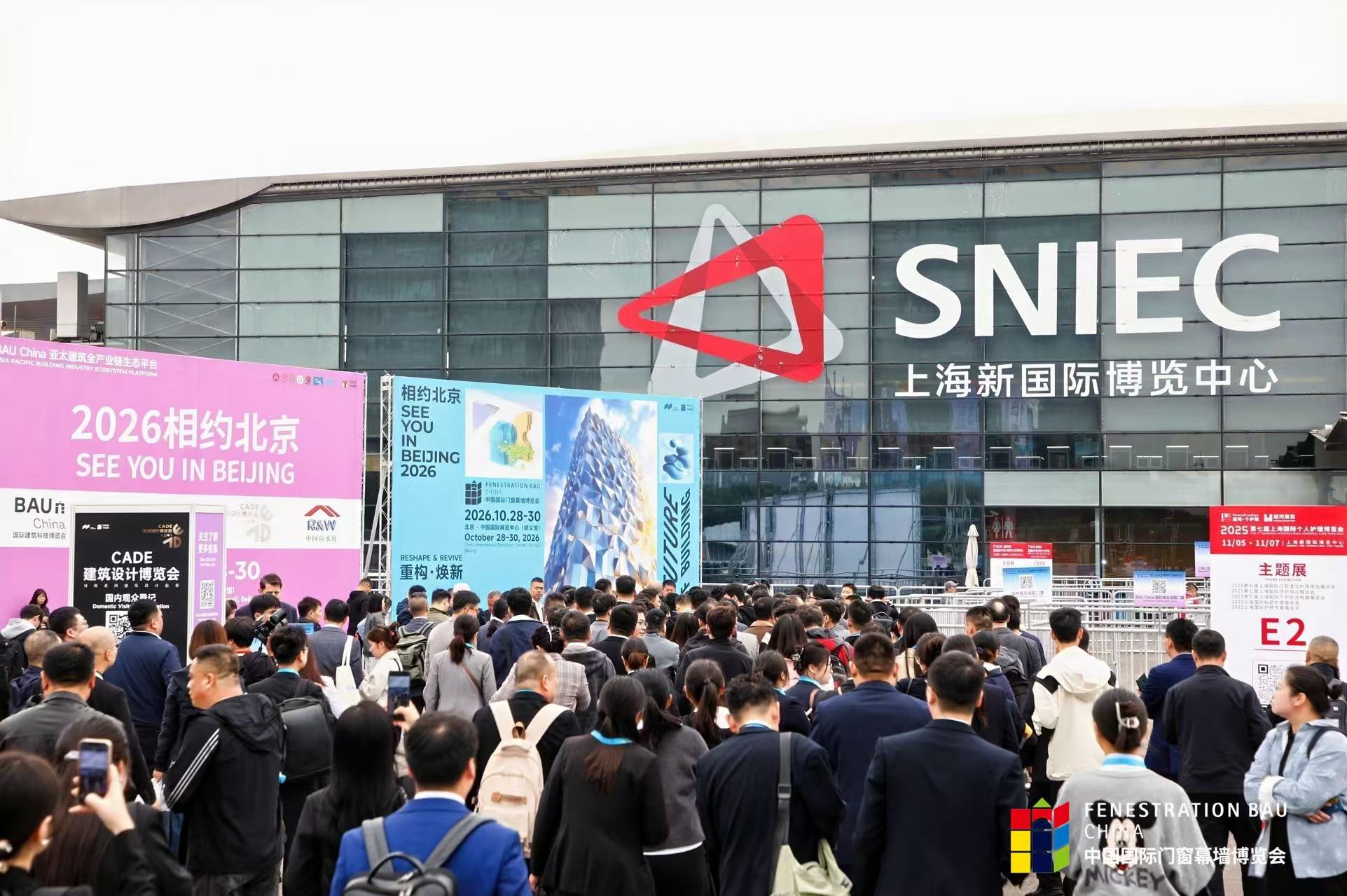
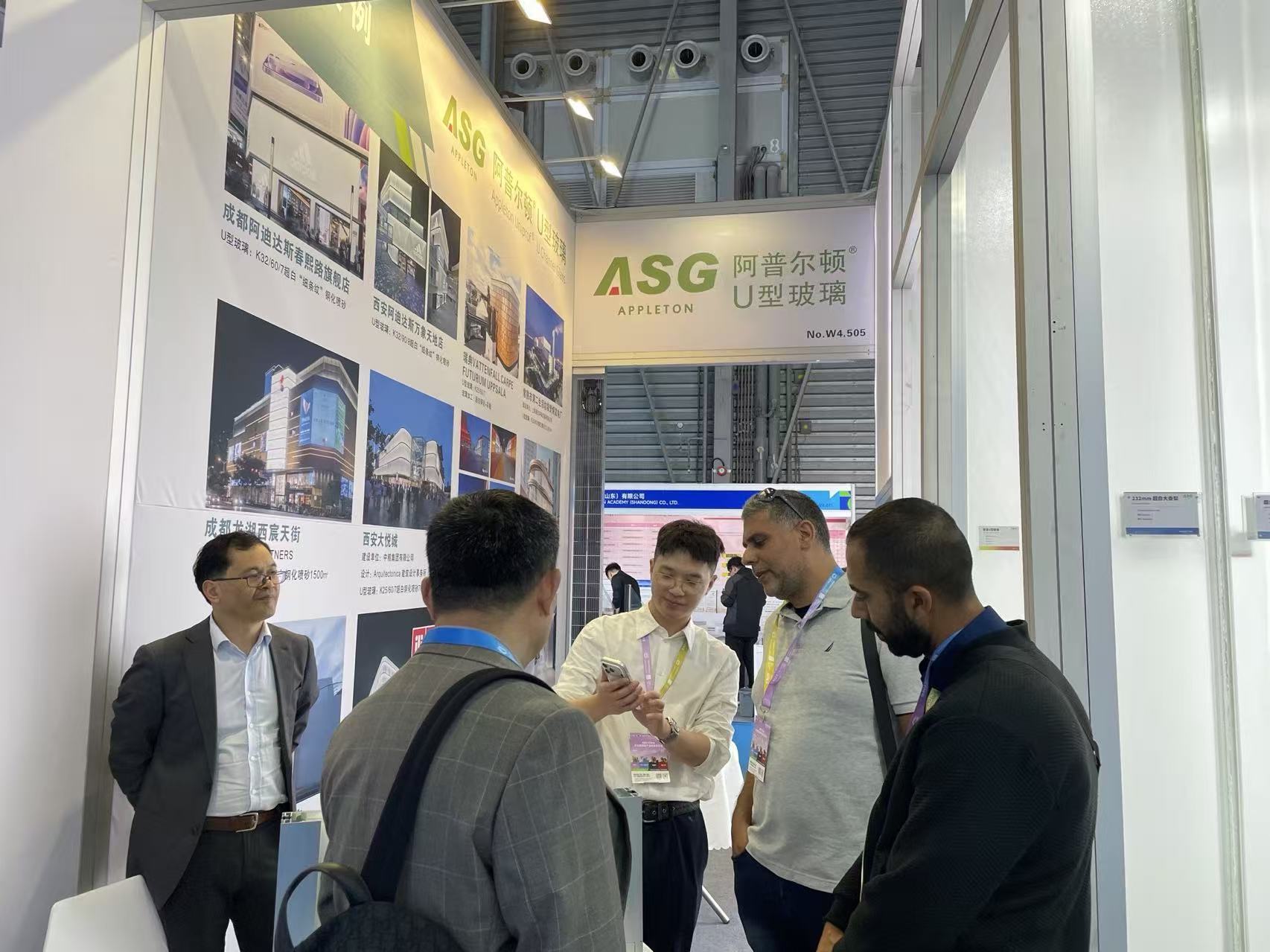
At the 35th China International Glass Industrial Technical Exhibition (China Glass 2026), Appleton once again presented its latest integrated architectural glass solutions to the global market. Held at the Shanghai New International Expo Centre from 7–10 April 2026, the exhibition gathered 889 exhibitors from 31 countries and regions and attracted more than 147,000 professional visitors worldwide, reaffirming its position as one of the most influential events in the global glass industry.
Against the backdrop of accelerating low-carbon transformation and the rapid convergence of building materials with renewable energy technologies, Appleton focused this year on its UniPhoton™ BIPV crystalline silicon photovoltaic U-profiled glass system, together with its high-performance thermal insulation and façade solutions. The company’s exhibition attracted significant attention from architects, façade engineers, developers and overseas buyers seeking next-generation building envelope technologies.
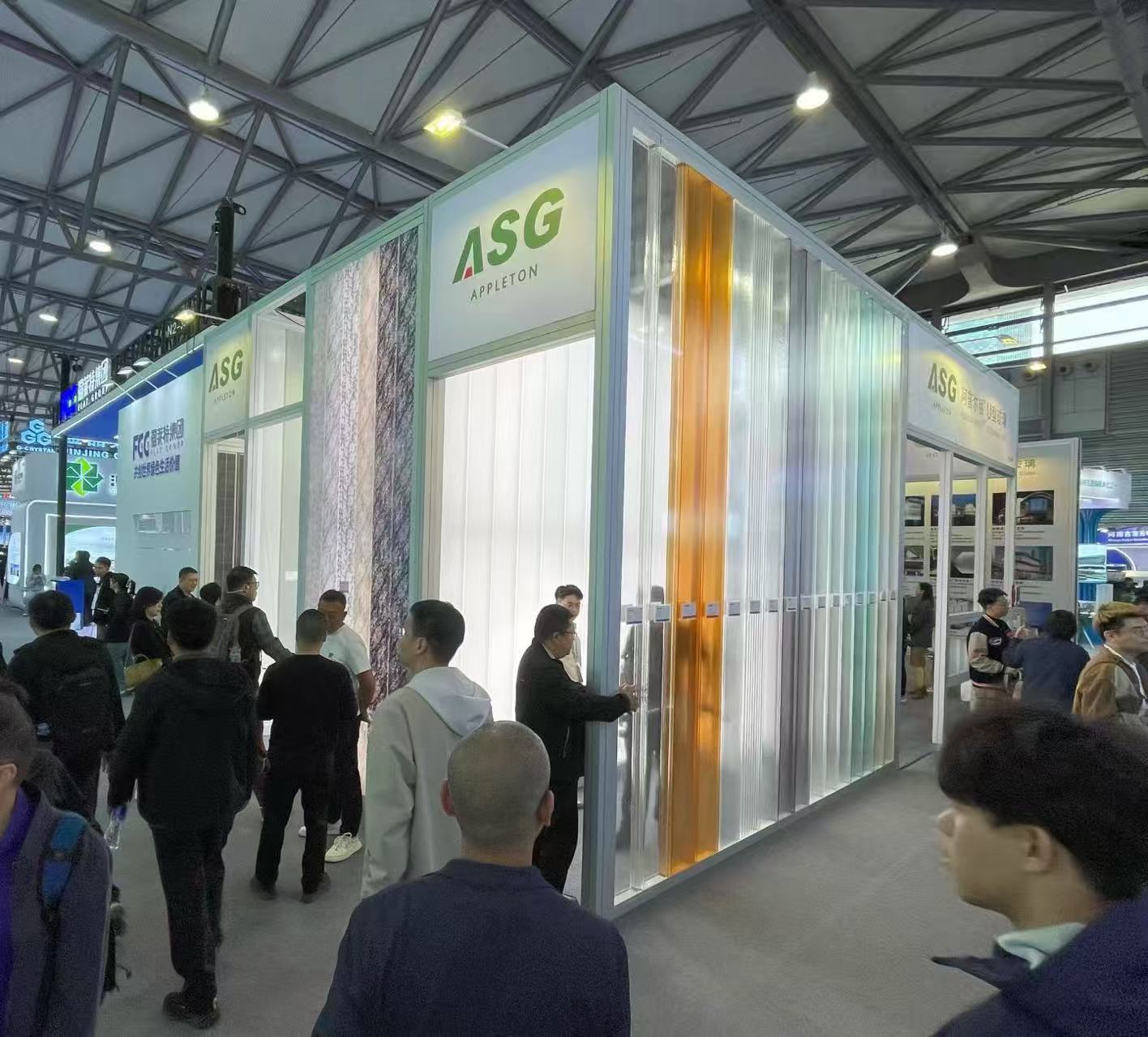
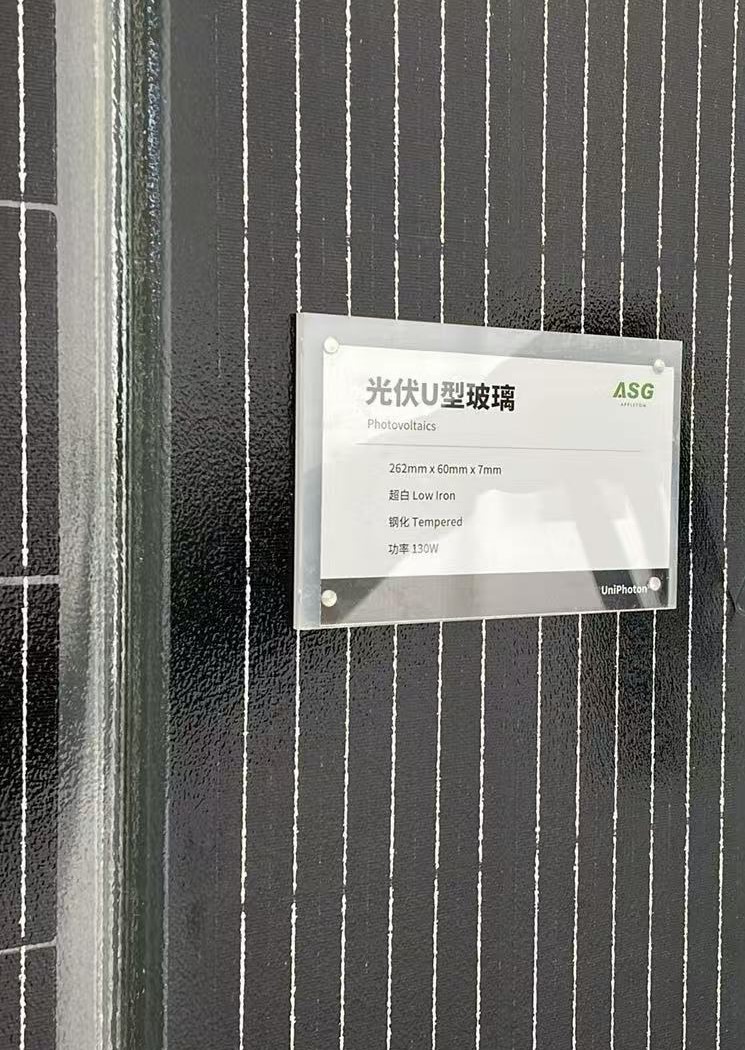
UniPhoton™: Turning Architectural Glass into a Power-Generating Façade
As building-integrated photovoltaics (BIPV) continue to evolve from niche applications into mainstream architectural strategies, Appleton’s UniPhoton™ system demonstrates how photovoltaic technology can be integrated into translucent façades without sacrificing architectural expression.
Unlike conventional rooftop solar systems, UniPhoton™ combines crystalline silicon photovoltaic modules with U-profiled glass assemblies, allowing façades to simultaneously serve as weather protection, daylighting systems and renewable energy generators. The system is particularly suitable for public buildings, industrial campuses, transportation hubs, educational facilities and urban renewal projects where architects increasingly seek façades that contribute both aesthetically and functionally to sustainability targets.
During the exhibition, many visitors were particularly interested in how the system balances natural light transmission with photovoltaic performance. Compared with opaque BIPV curtain wall systems, UniPhoton™ maintains the distinctive soft diffused daylighting effect associated with U-profiled glass while introducing clean energy generation into the building envelope.
For architects and façade consultants, this creates a new design language: façades are no longer passive exterior skins, but active energy-producing systems integrated into the architectural concept itself.
Energy Performance Becomes Central to Façade Design
One of the clearest themes throughout China Glass 2026 was the transformation of glass from a simple enclosure material into a high-performance functional system. Across the exhibition halls, energy efficiency, carbon reduction and intelligent building technologies dominated discussions.
Appleton’s solutions align closely with this industry shift.
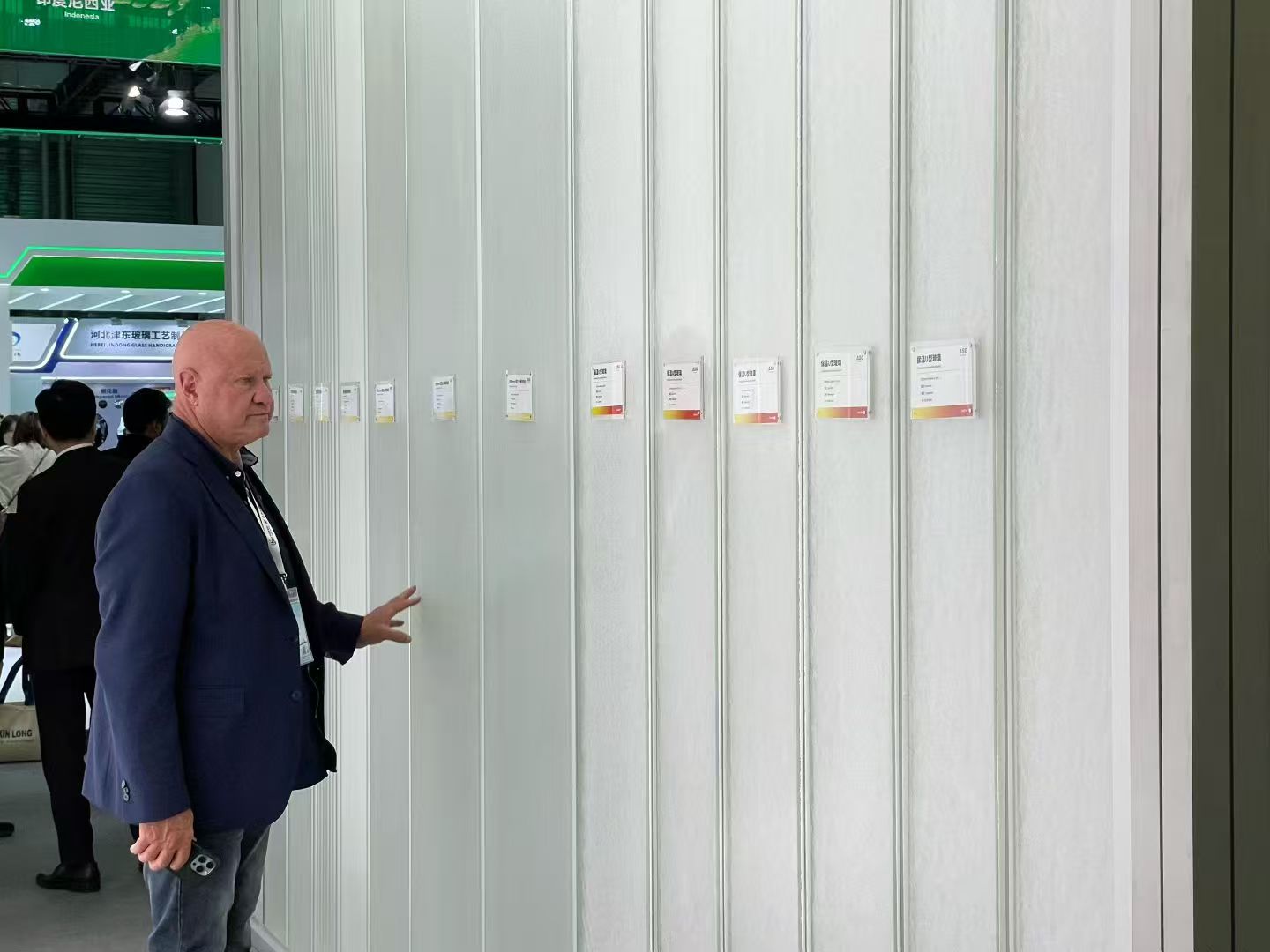
Its online Low-E coated U-profiled glass system attracted strong interest from both domestic and international visitors. By significantly reducing heat transfer while preserving daylight quality, the system helps architects achieve stricter energy codes and lower operational carbon emissions without compromising façade aesthetics.
In addition, Appleton presented its UniTIM™ translucent insulation system, designed specifically for double-layer U-profiled glass assemblies. Installed between two layers of glass, the transparent insulation material improves thermal performance while maintaining the soft luminous appearance that designers value in translucent façades.
As global markets increasingly move towards near-zero-energy buildings and carbon-conscious construction, systems combining daylighting, insulation and renewable energy generation are becoming more relevant than ever.
Architectural Glass Beyond Conventional Façades
Another notable trend at China Glass 2026 was the growing demand for multifunctional architectural materials capable of adapting to evolving urban environments.
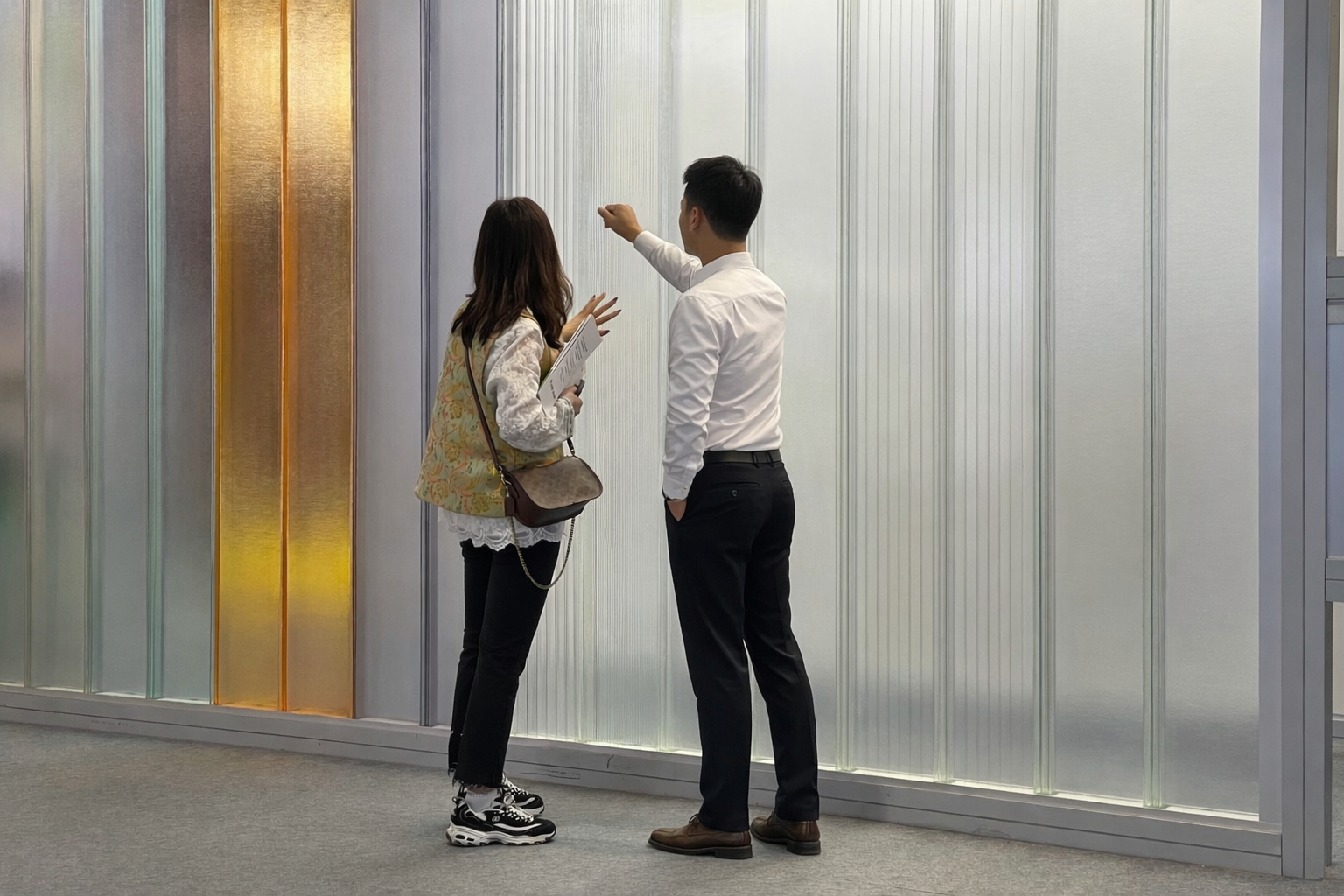
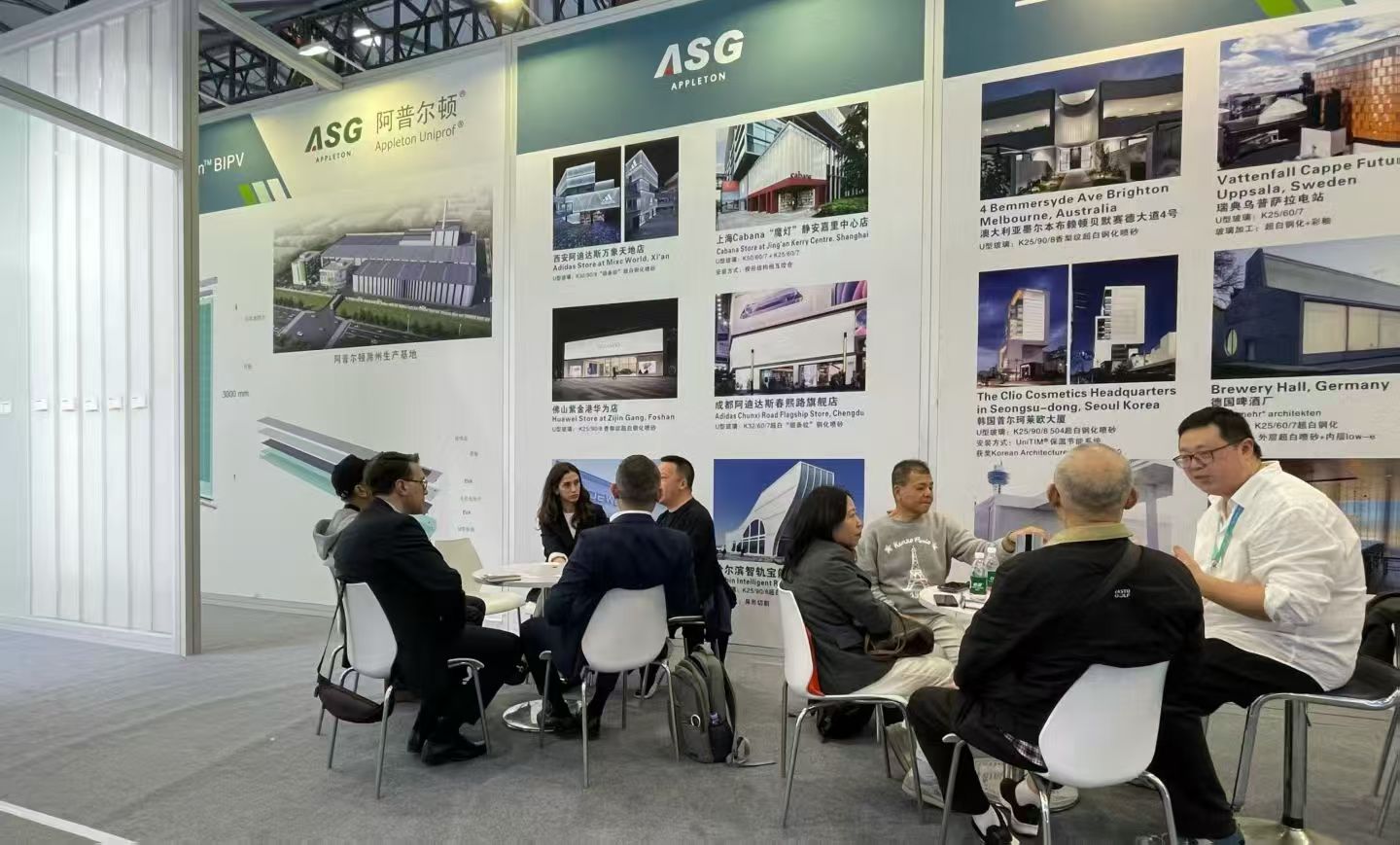
Appleton’s exhibition highlighted how U-profiled glass is increasingly being used not only for façades, but also for interior partitions, feature walls, transport infrastructure, industrial architecture and adaptive reuse projects.
The company also presented its digitally printed U-profiled glass solutions, capable of reproducing stone textures, artistic graphics and customised visual patterns directly onto the glass surface. Combined with integrated lighting systems, the material can create illuminated “translucent stone” effects widely used in hospitality, commercial interiors and premium public spaces.
This growing flexibility reflects a broader market transition: architects today are no longer looking for isolated products, but for integrated systems that combine performance, aesthetics and constructability.
Strengthening International Collaboration
China Glass 2026 further demonstrated the continued internationalisation of the Chinese architectural glass sector. The exhibition attracted visitors from 138 countries and regions, with particularly active participation from Europe, the Middle East and Asia-Pacific markets.
For Appleton, whose products are already supplied to multiple overseas markets, the exhibition served not only as a product showcase, but also as an important platform for international technical exchange and strategic collaboration.
As building envelopes continue to evolve towards low-carbon, energy-generating and multifunctional systems, Appleton remains committed to advancing U-profiled glass technologies that combine architectural creativity with long-term environmental performance.